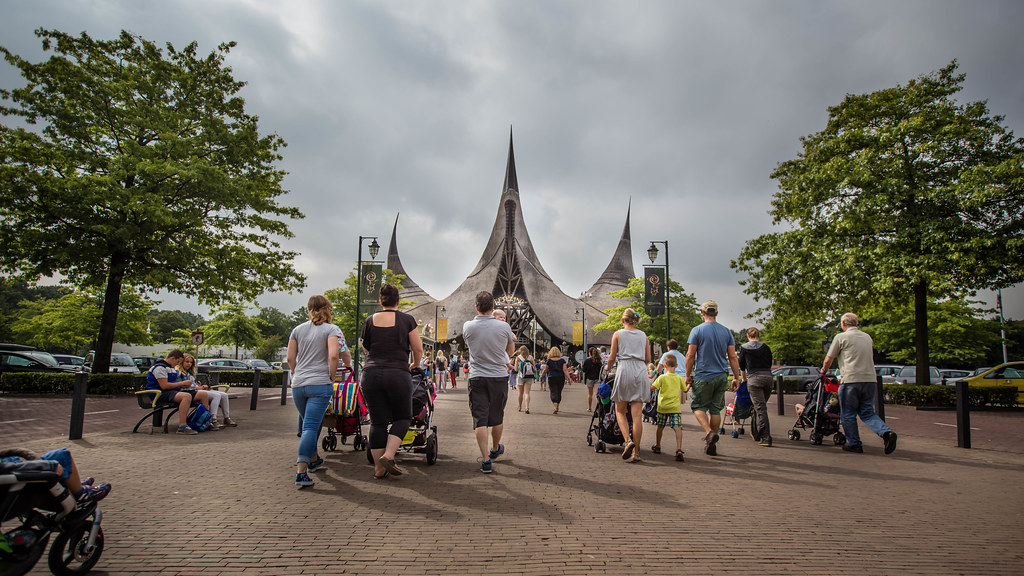
Almost every attraction lives with sharp seasonal peaks and troughs. Theme parks welcome 60-70% of their yearly footfall over the summer, heritage destinations swell during school breaks, and one-off seasonal events compress demand into tight booking windows. When agents are coached to sell well in every part of the year, those erratic spikes become steady year-round trade income.
The Seasonality Challenge
Why Seasonality Hurts Trade Revenue
| Impact | Detail |
|---|---|
| Agent awareness drops | Agents stop recommending attractions they associate only with summer |
| Booking windows narrow | Peak demand concentrates in weeks, not months |
| Off-peak perception | Agents assume "closed" or "not worth visiting" outside peak |
| Pricing confusion | Variable pricing across seasons creates agent uncertainty |
| Content staleness | Training created for peak season becomes irrelevant by autumn |
ALVA figures show that attractions which deliberately push shoulder and off-peak periods through the trade channel earn 15-25% more across the year than those that lean only on peak-season trade bookings.
Understanding Your Seasonal Profile
Mapping the Attraction Calendar
Start by charting everything you offer throughout the year before you put a single agent through training:
| Season | Typical Period | Visitor Profile | Trade Opportunity |
|---|---|---|---|
| Peak | July-August; school holidays | Families; domestic tourists | High demand — focus on upselling premium experiences |
| Shoulder | April-June; September-October | Couples; international visitors; retirees | Growing demand — focus on value positioning |
| Off-peak | November-March | Enthusiasts; local visitors; corporate groups | Low demand — focus on special events and unique experiences |
| Event-driven | Christmas markets; Halloween; festivals | Mixed — event-specific audiences | Spike demand — focus on early booking and packages |
The Revenue Opportunity
| Scenario | Peak Revenue | Off-Peak Revenue | Annual Total |
|---|---|---|---|
| No seasonal strategy | £800,000 | £200,000 | £1,000,000 |
| Basic off-peak promotion | £800,000 | £350,000 | £1,150,000 |
| Full seasonal training programme | £850,000 | £500,000 | £1,350,000 |
A well-organised seasonal training programme can lift yearly trade revenue by 35%, mainly by opening up shoulder and off-peak bookings that agents would simply never have placed.
Training Agents for Peak Season
What Agents Need to Know
| Knowledge Area | Content | Why It Matters |
|---|---|---|
| Advance booking benefits | Queue times reduced 40-60% with timed entry; guaranteed admission on sell-out days | Agents can justify advance booking fees |
| Premium peak products | VIP tours, fast-track passes, early/late access | Peak visitors pay more for exclusivity |
| Crowd management | Best days and times; how your attraction handles capacity | Addresses the biggest peak-season objection |
| Family packages | School holiday bundles; multi-day passes; meal deals | Family bookings are peak-season's core market |
| Booking logistics | Cut-off times; amendment policies; group minimums | Reduces agent hesitation and booking errors |
Peak-Season Selling Scripts
Give agents ready-made phrasing tailored to the busiest weeks:
| Situation | Agent Script |
|---|---|
| Customer hesitates on price | "Peak season is the busiest time — booking through us guarantees your entry on your chosen day, which isn't always possible at the gate. Plus, I can add fast-track access so you skip the main queues" |
| Customer worries about crowds | "We recommend [specific quiet days/times]. I can book timed entry for [time] when it's typically 40% quieter than midday" |
| Customer wants flexibility | "The flexible ticket lets you visit any day within your chosen week — so if the weather changes or plans shift, you're covered" |
Training Agents for Off-Peak Selling
Reframing Off-Peak
The toughest mindset to shift is the assumption that attractions are purely a "summer thing." Good training content recasts the quiet months as a premium proposition:
| Off-Peak Advantage | How to Position |
|---|---|
| Fewer crowds | "This is the best-kept secret — you'll have the place virtually to yourself" |
| Lower prices | "You get the same experience at 30-40% less than summer prices" |
| Special events | "The Christmas experience is completely different — it's a separate event worth visiting for alone" |
| Atmosphere | "The gardens in autumn are spectacular — many regular visitors say it's their favourite time" |
| Exclusive access | "Behind-the-scenes tours only run in winter when the attraction is quieter" |
Off-Peak Product Training
| Product Type | Example | Agent Selling Angle |
|---|---|---|
| Seasonal events | Halloween nights, Christmas markets, light festivals | "This is a completely separate experience — customers who've visited in summer will love this" |
| Behind-the-scenes | Winter maintenance tours, curator talks, breeding programmes | "Access you simply can't get in peak season" |
| Packages with accommodation | Weekend breaks including attraction entry | "A complete short break — perfect for a birthday or anniversary" |
| Corporate and incentive | Exclusive-hire evenings, team-building days | "Group bookings are ideal in off-peak — competitive rates and exclusive use" |
| Educational visits | School trips, adult learning programmes | "Term-time visits avoid the crowds entirely" |
Building a Seasonal Training Programme
Content Calendar Approach
Synchronise your training updates with the rhythm of your seasonal calendar:
| Timing | Training Content | Purpose |
|---|---|---|
| January | New year overview: what's coming this year; early booking incentives | Kickstart annual selling |
| March | Spring/Easter product update; family packages launched | Prepare for first peak window |
| May | Summer peak selling guide; premium experience training | Equip agents for highest-demand period |
| August | Autumn/shoulder season update; couple and retiree targeting | Transition from peak to shoulder selling |
| October | Christmas and winter event training; gift voucher promotion | Drive seasonal event bookings |
| November | Next year preview; advance booking incentives | Capture early bookers and build pipeline |
AI-Powered Seasonal Updates
AI-assisted content creation rewrites the economics of keeping seasonal training fresh:
| Approach | Traditional | AI-Powered |
|---|---|---|
| New seasonal module | 3-4 weeks to create | 2-3 days |
| Annual content refresh | £8,000-£15,000 | £2,000-£4,000 |
| Update frequency | 2-3 times/year | Monthly or more |
| Agent notification | Email blast (low open rate) | Platform notification with targeted content |
| Knowledge check | None until next roadshow | Instant assessment after each update |
Pricing Knowledge Training
Training Agents on Dynamic and Seasonal Pricing
| Pricing Element | What Agents Must Know |
|---|---|
| Dynamic pricing | Prices change based on demand and date — earlier booking = better price |
| Peak surcharges | School holiday premiums; bank holiday rates; event pricing |
| Off-peak discounts | How much customers save; which dates qualify |
| Group pricing | Minimum numbers; coach driver and organiser policies |
| Trade net rates | How trade pricing differs from gate prices; commission structure |
| Bundle discounts | Multi-attraction passes; meal deals; parking inclusions |
Price Communication Training
Roleplay exercises should cover:
| Scenario | Training Focus |
|---|---|
| Customer comparing your price to gate price | Explain added value: guaranteed entry, fast-track, flexibility |
| Customer asking why prices are higher in August | Explain demand-based pricing; suggest shoulder dates for better value |
| Customer wanting to book cheapest possible | Identify their flexibility; suggest off-peak dates where appropriate |
| Agent unsure of current prices | Training on where to find real-time pricing; avoiding quoting outdated rates |
Engagement Strategies
Keeping Agents Engaged Year-Round
| Strategy | Implementation | Expected Impact |
|---|---|---|
| Seasonal certification | Quarterly mini-assessments on current offerings | Agents stay current; certified status maintained |
| Agent incentive programmes | Bonus commission or rewards for off-peak bookings | Directly motivates shoulder/off-peak selling |
| FAM visit timing | Invite agents during off-peak to experience non-summer atmosphere | Agents who visit off-peak sell off-peak |
| Success story sharing | Share examples of agents who've driven off-peak revenue | Social proof motivates peers |
| Performance tracking | Show agents their seasonal booking patterns; identify gaps | Data-driven development conversations |
Measuring Seasonal Training Impact
| Metric | How to Measure | Target |
|---|---|---|
| Off-peak booking share | % of trade bookings in off-peak months | Increase from typical 15-20% to 30-35% |
| Seasonal training completion | % of agents completing seasonal updates | 60%+ of active agents |
| Average booking value by season | Compare ABV across peak, shoulder, off-peak | Off-peak ABV within 20% of peak (upselling compensates) |
| Agent seasonal activity | Number of agents booking in 3+ seasons | 50%+ of active agents |
| Revenue smoothing ratio | Peak revenue ÷ off-peak revenue | Reduce from 4:1 to 2:1 or better |
Getting Started
| Step | Timeline | Action |
|---|---|---|
| 1 | Week 1 | Map your complete seasonal calendar and product offering |
| 2 | Week 2-3 | Create year-round training content covering all seasons |
| 3 | Week 3 | Build seasonal assessment modules |
| 4 | Week 4 | Launch to agents with clear seasonal selling incentives |
| 5 | Monthly | Update content to reflect current and upcoming seasons |
| 6 | Quarterly | Review seasonal booking data and adjust training focus |
The attractions that earn dependable revenue right through the calendar are the ones that train agents to treat every season, not just summer, as a chance to sell. Backed by AI-powered training that moves as quickly as your seasonal programme does, agents always hold fresh, persuasive reasons to put your attraction forward.
Build your seasonal training programme with TravAI →
This article is part of our Attractions & Experiences Sales series. Related reading:
- How to Create a Travel Trade Sales Programme for Your Attraction
- 12 Ways Experience Providers Can Increase Trade Bookings
- How to Upsell VIP Experiences, Fast-Track Passes and Premium Add-Ons